
Washer and Dryer Maintenance: Practical Guide for Commercial Laundries and Laundromats
- Pieter Keushkerian
- Mar 27
- 12 min read

Commercial laundry equipment is the backbone of any laundromat or on-premise laundry operation. For operators across Southern California, consistent washer and dryer maintenance separates profitable facilities from those plagued by breakdowns, high utility bills, and frustrated customers. Essential maintenance for your washer and dryer focuses on preventing mold, ensuring efficient airflow, and protecting internal components from premature wear. This guide covers the essential maintenance practices that keep your laundry appliances running efficiently—and your business running smoothly.
Why Regular Maintenance Is Essential for Washer and Dryer Longevity and Efficiency
Essential maintenance for your washer and dryer focuses on preventing mold, ensuring efficient airflow, and protecting internal components from premature wear. Regular maintenance can help ensure that laundry appliances continue to work properly and efficiently. Neglecting regular maintenance can lead to costly repairs or replacements of laundry appliances. By performing routine care, you can extend the lifespan of washers and dryers, providing better value over time and reducing the risk of unexpected breakdowns that disrupt your business.
Why Washer and Dryer Maintenance Matters for Your Laundry Business
At Automated Laundry Systems, we’ve partnered with laundromats, hotels, and medical facilities throughout Southern California since 1976. One lesson remains constant: equipment that receives proper care generates more revenue, costs less to operate, and lasts years longer than neglected machines.
Consistent maintenance reduces unplanned downtime, protects your revenue per cycle, and extends equipment life well beyond the typical 10–15 year range. When a commercial washing machine sits idle during peak hours, the losses add up quickly. A busy 40-lb washer in a Los Angeles laundromat running 20+ cycles per day at $4 per vend represents over $80 in daily revenue. If that machine goes down for a week due to a preventable bearing failure, the operator loses $560—plus the cost of emergency repairs.
Well-maintained commercial washers and dryers also lower utility costs. Scale buildup from hard water forces heating elements to work harder. Clogged dryer vents extend drying time and increase gas consumption. These inefficiencies compound across dozens of machines and thousands of cycles.
Automated Laundry Systems provides comprehensive service programs, including preventive maintenance, emergency repairs, and equipment leasing with maintenance included. Operators who partner with us benefit from tailored maintenance plans that protect their investment and keep their laundry operations running at peak efficiency. To learn more about our expert maintenance services, visit our Service page.
Do Commercial Washers and Dryers Really Need Regular Maintenance?
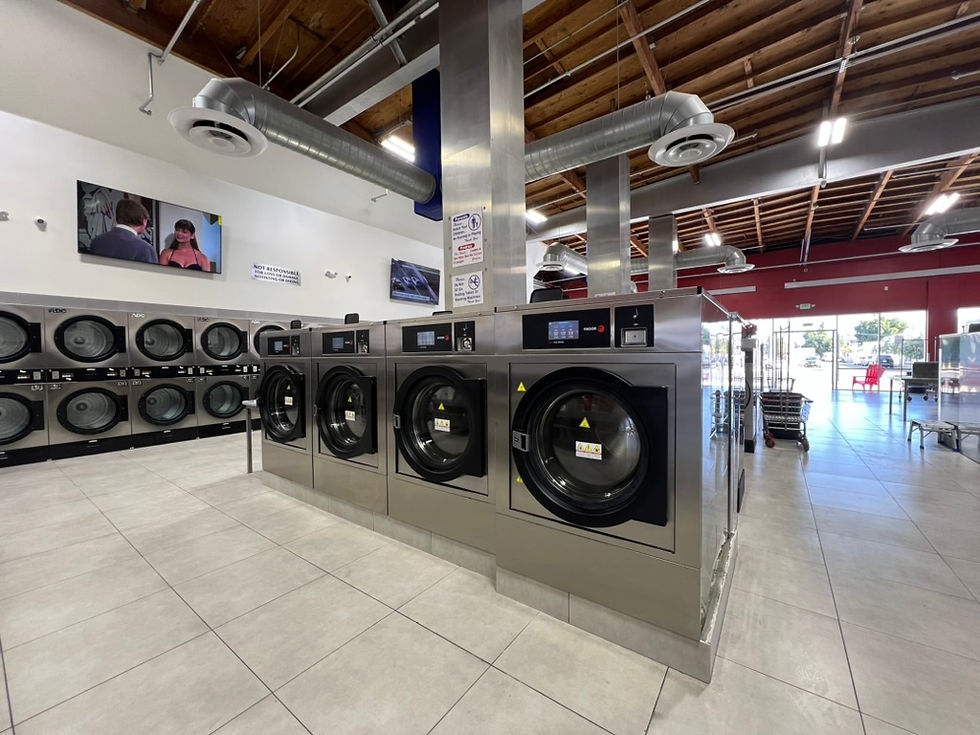
Most maintenance advice online targets home users running a few loads per week. Commercial machines face an entirely different reality—hundreds of cycles weekly, heavy loads, and continuous operation. A laundromat washer completing 25 cycles daily accumulates over 9,000 cycles per year, compared to roughly 300 cycles for a typical household machine.
Commercial and industrial washer and dryer models from brands like Dexter, Continental, and Maytag Commercial are engineered for heavy use. Reinforced bearings, industrial motors, and thicker drums handle the workload—but these components still require scheduled care per manufacturer specifications.
Recommended maintenance cadences for high-traffic facilities include:
Daily tasks such as wiping down machines and cleaning lint screens
Weekly inspections of hoses and gaskets
Monthly maintenance wash cycles and deep cleaning
Quarterly vent and duct cleaning along with bearing and belt checks
Annual comprehensive inspections by factory-trained technicians
Warranty and lease requirements add another layer of importance. Many factory warranties and lease agreements require documented maintenance records to remain valid. Skipping scheduled care can void coverage precisely when you need it most.
Automated Laundry Systems works closely with operators to develop site-specific maintenance schedules tailored to local water quality, usage patterns, and equipment types. Our expert technicians ensure your commercial washers and dryers, including specialized Fagor washing machine repair and parts support, receive the proper care they need to perform reliably. For professional service and maintenance support, visit our Service page.
Average Lifespan of Commercial Washers and Dryers (and How Maintenance Changes It)
Hard-mount commercial washers typically last 10–15 years under heavy usage. Commercial dryers often deliver 12–20 years of service, though high-volume stack units in laundromats may trend toward 7–12 years. These figures assume regular maintenance. Without it, machines fail far sooner.
The contrast between maintained and neglected equipment is stark. A well-maintained washer receiving quarterly descaling, vibration checks, and sensor cleaning can reach 50,000+ cycles without major failure. Lab tests by Maytag Commercial demonstrated front-load washers completing over 60,000 cycles with proper care. Meanwhile, neglected machines often suffer premature bearing corrosion, gasket breakdown, and control board failures after just 25,000–30,000 cycles.
Understanding “cycles, not years” is essential. A machine completing 30 cycles daily in a central laundry ages much faster than one running 5 cycles daily in a small assisted-living OPL. Two machines purchased the same year can be in vastly different condition based on usage and care.
Consider a 60-lb washer in a Pasadena hotel laundry. Running 20 loads daily across consistent towel and linen loads, this machine might reach 50,000+ cycles and still operate reliably—provided quarterly descaling, vibration checks, and sensor cleanings are performed. Without that maintenance, the same machine could require major repairs or replacement after just three years.
Automated Laundry Systems tracks equipment age and usage for customers across Southern California and offers expert advice on refurbishment, retooling, or replacement based on performance data. Our maintenance services help maximize the lifespan of your commercial laundry equipment. Explore our maintenance offerings at https://www.automated-laundry.com/service.
Washing Machine Maintenance for Commercial and OPL Facilities
This section focuses on daily, weekly, and monthly best practices for commercial washers—both hard-mount and soft-mount front-load designs. These instructions apply to machines ranging from 20–80 lb capacity, operating in laundromats, hotels, student housing, and medical OPLs.
The tone is practical and operator-focused. Attendants and facility staff perform many of these tasks; specialized technicians handle more complex repairs. Each subsection provides concrete cadences rather than vague recommendations to “clean regularly.”

Daily Maintenance Tasks
Avoid Overloading and Misloading Commercial Washers
Overloading a 40-lb or 60-lb washer creates multiple problems. Clothes don’t circulate properly, leading to poor cleaning. Extraction times lengthen as the machine struggles to balance large loads. Bearings and suspension springs endure unnecessary strain, accelerating wear.
A properly loaded commercial washer has the drum filled to about three-quarters capacity with dry laundry, leaving visible space at the top. This allows wet clothes to tumble freely during the wash cycle.
In hotels and clinics, overpacking causes fabric damage—torn hems, excessive wrinkling, and incomplete rinsing of detergents and disinfectants. For medical facilities requiring proper sanitization, incomplete rinsing creates compliance risks.
When loading, avoid placing single heavy items like rubber-backed mats alone in the drum. These items can unbalance the load during spin. Pair them with other items when the manufacturer allows to distribute weight evenly.
Train attendants to watch for consistent out-of-balance errors. Repeated imbalance warnings often indicate chronic overloading or an installation issue requiring professional inspection.
Inspect and Clean Door Seals, Gaskets, and Soap Dispensers
Daily: Attendants should wipe the gasket and glass at closing using a soft cloth. This prevents moisture buildup overnight, especially in humid laundromats or hospital laundries with continuous use.
For mold and odor prevention: Leave the washer door open overnight where security permits. This allows air circulation to dry residual moisture after the last cycle ends.
Monthly: Remove and clean soap dispenser trays with warm water to clear caked laundry detergent and fabric softener. Check spray nozzles and dispenser orifices for blockages that affect chemical dilution.
Staff should also check for coins, hairpins, and other objects that can damage door seals or clog drain paths. Foreign objects in the gasket area often cause leaks or drainage problems.
Keep Machines Level and Control Vibration
Check level using a spirit level placed on the top panel. Adjust the legs clockwise or counter-clockwise until the bubble centers in both directions. Most commercial washers have adjustable feet that allow precise leveling.
Installations on second floors or mezzanines require special attention. Proper anchoring and vibration isolation pads reduce noise transmission to underlying structures.
Persistent walking or banging sounds during spin should trigger an inspection by a qualified technician. These symptoms often indicate worn suspension springs, damaged dampers, or foundation issues.
Exterior Cleaning, Control Panels, and Safety Checks
Daily: Wipe down exterior panels, doors, and control bezels with mild, non-abrasive cleaners. Clean machines look professional and encourage customer confidence.
Avoid high-pressure spraying directly at control panels, card readers, or coin drops. Water intrusion damages electronic components and payment systems.
Weekly: Check door locks and safety interlocks. The door should not open during high-speed extraction. Worn or misaligned locks create safety hazards.
Use manufacturer touch up paint on chipped areas to prevent rust, especially in coastal Southern California locations where salty air accelerates corrosion on outside surfaces.
Add maintenance log sheets in the back room documenting when exterior inspections and safety checks were completed.
Weekly and Monthly Maintenance Tasks
Run Scheduled “Clean Washer” or Descaling Cycles
To keep your washers running efficiently, follow these steps every 30 days or every 300 cycles (whichever comes first):
Empty the washer.
Select the hottest water setting.
Add manufacturer-approved cleaning chemicals or descalers.
Run the washer empty through a full cycle.
If your machine has a dedicated “tub clean” or “maintenance” program, use it.
Avoid using excessive vinegar or bleach concentrations unless approved by the manufacturer.
This process removes laundry detergent residue, body oils, and hard-water scale that accumulate inside the drum and internal plumbing. Southern California’s hard water presents particular challenges, so regular descaling is especially important.
Check Hoses, Valves, and Connections for Leaks
Quarterly: Inspect hoses, water inlet hoses, steam lines if equipped, and drain connections for signs of wear.
Look for: Bulges, cracks, corrosion on fittings, and dried mineral deposits that indicate slow leaks.
Replace rubber inlet hoses proactively every 5 years. In high-use installations, consider upgrading to braided stainless steel hoses.
Quick floor inspection at the start and end of each day catches issues early. Look for standing water or dampness under washers.
Place a drip pan underneath each washer where practical.
Automated Laundry Systems performs detailed leak checks and plumbing assessments during scheduled service visits.
Troubleshooting Common Issues
Consistent out-of-balance errors: May indicate chronic overloading or installation issues.
Leaks or dampness: Check hoses, gaskets, and door seals for damage or blockages.
Unusual noises or vibration: Inspect for worn suspension springs, damaged dampers, or foundation issues.
Error codes: Document and report to a professional technician for diagnosis.
Dryer Maintenance Checklist for Commercial Laundries
Commercial dryers—both gas and electric units, including stacked configurations—require focused attention on airflow and safety. The National Fire Protection Association cites poor maintenance as a major factor in dryer fires, with commercial facilities facing higher injury and damage rates than residential settings.
Clean dryers run more efficiently, reducing drying time and lowering natural gas or electricity bills. Customers notice when machines work properly and dry clothes quickly. Fewer complaints about slow dryers means better reviews and repeat business.
Local codes in Southern California cities may require documented vent cleaning for commercial laundry sites. Maintaining these records protects your business and insurance coverage.

Daily Dryer Maintenance
Avoid Overloading and Mixed-Soil Loads in Dryers
Do not overload: Keep loads loose, filling no more than about three-quarters of drum volume for typical mixed textiles.
Separate heavy items: Towels, blankets, and uniforms should be dried separately from light synthetics.
Never dry items contaminated with oils, solvents, or flammable residues without proper pre-washing.
Post simple load-size signage above dryer banks in self-service laundromats.
Clean Lint Screens After Every Load
After every cycle: Clean the lint screen or lint trap.
In busy laundromats: Staff should check the lint filter between each use.
Weekly and Monthly Dryer Maintenance
Deep Clean Lint Compartments and Screens
Weekly: Use a vacuum or soft brush to remove compacted lint from the lint compartment and surrounding area.
Every 3–6 months: Wash metal lint screens with warm soapy water and mild detergent.
Monthly: Wipe moisture sensors gently with a soft cloth.
Clean Interior and Exterior Dryer Vents and Ductwork
Annually or semiannually: Schedule professional vent and duct cleaning for busy laundromats and hotel laundries.
Process:
Shut off the machine.
Disconnect the vent duct.
Use specialized long brush tools and vacuums to remove built-up lint from the entire system.
Clear exterior vents and louvers of lint mats, bird nests, and debris.
Automated Laundry Systems coordinates full-system vent cleanings and inspections as part of service agreements.
Wipe the Drum, Check Moisture Sensors, and Inspect Belts
Monthly: Wipe the inside of the dryer’s drum with a damp cloth.
Locate and clean moisture sensors inside the drum.
Listen for belt squeaks, thumps, or drum scraping noises during operation and report promptly.
Dryer Safety Checks
Gas, Electrical, and Safety Considerations for Commercial Dryers
Never attempt gas line or internal electrical repairs without proper training and licensing.
Staff can perform visual checks of flexible gas connectors, shutoff valves, and unions for signs of corrosion or damage.
Ensure proper make-up air in the laundry room.
Confirm emergency shutoff switches and clearly labeled breakers remain accessible to staff.
Automated Laundry Systems performs combustion checks, verifies gas pressures, and ensures dryers meet manufacturer specifications and local code requirements.
Daily, Weekly, and Monthly Maintenance Routines for Laundromats and OPLs
Effective maintenance depends on consistent routines that attendants and facility staff can actually follow. The tasks described throughout this guide integrate into practical schedules organized by timeframe.
Simple checklists posted in the back room or near the service sink standardize work across different shifts. Even part-time attendants can contribute to equipment longevity when tasks are clearly defined.
Owners should adapt cadences based on volume. A 24-hour laundromat in central Los Angeles needs more frequent attention than a small assisted-living OPL in Orange County. Plan for roughly 15–20 minutes per day on maintenance tasks, 1–2 hours per week for deeper cleaning, and a half-day monthly for thorough inspections.
Daily Tasks
Wipe machine fronts, doors, and control panels with a soft cloth
Clean lint screens on all dryers after every load
Check floors around washers and dryers for leaks or dampness
Leave the washer door open slightly after closing to prevent moisture buildup
Check for foreign objects in drums such as coins, keys, and pens
Verify card readers, coin drops, and control panels respond correctly
Perform a quick visual check of exterior vent outlets for heavy lint accumulation
Record any errors, unusual noises, or concerns in a maintenance log
This daily routine keeps machines clean and identifies problems before they escalate.
Weekly Tasks
Clean around and under machines where lint and debris accumulate
Use a vacuum to clear areas between and behind equipment
Inspect hoses and visible fittings for wear or damage
Clean detergent drawers and soap dispensers
Check door gaskets for visible damage or buildup
Monthly Tasks
Run washer maintenance cycles with approved descalers
Wash lint screens with warm water to remove softener residue
Wipe dryer drums thoroughly to remove residue
Deep clean and inspect door seals
Check door locks and safety interlocks for proper function
Review maintenance logs and note any recurring issues
Schedule these tasks during slower business hours—typically midweek mornings in self-service laundromats—to minimize customer disruption.
Larger facilities or multi-store owners should standardize schedules across all locations. Consistent procedures simplify management, training, and quality control.
Automated Laundry Systems can design a custom maintenance calendar for your operation and provide training for attendants and supervisors. For professional maintenance support and scheduled service visits, please visit our Service page.
When to Call a Professional Laundry Equipment Service Provider
Operator-level maintenance handles most routine care, but certain issues require factory-trained commercial technicians. Knowing when to call a professional repair service prevents small problems from becoming expensive replacements.
Early intervention typically costs less than waiting for complete failure. This is especially true for high-revenue 60–80 lb machines where downtime directly impacts daily income.
Gas leaks, burning smells, repeated tripping breakers, or water on the floor always justify shutting down the machine and calling for service immediately. Don’t risk safety or further damage by continuing operation.
Automated Laundry Systems provides preventive maintenance programs, priority emergency service, and support across Southern California. Our technicians arrive prepared with parts and expertise to restore your equipment quickly. Learn more about our professional service options at https://www.automated-laundry.com/service.

Warning Signs on Washers: Leaks, Noise, and Error Codes
Watch for these specific signs that indicate professional attention is needed:
Repeated out-of-balance errors despite proper loading
Excessive vibration during spin cycles
Grinding, rumbling, or banging sounds during operation
Slow fill or inconsistent water levels
Recurring door lock faults or error codes
Visible leaks under or behind the washer
Rust trails or consistently damp floors around a machine
Document error codes and observe when they occur—during fill, wash, or spin. This information helps technicians diagnose problems quickly.
Continuing to run a washer with bearing noise, seal leaks, or severe vibration can transform a repairable problem into a full machine replacement. A $400 bearing repair becomes a $15,000 equipment purchase when damage spreads.
Automated Laundry Systems technicians are familiar with major commercial brands and can interpret manufacturer-specific codes on site.
Warning Signs on Dryers: Heat, Smell, and Airflow Problems
Dryer warning signs often relate to heat, airflow, or safety systems:
Clothes taking significantly longer drying times than normal
Extremely hot cabinet surfaces during operation
Burning or smoky odors from the machine
Repeated high-limit thermostat trips
Error codes related to airflow or temperature
Automatic cycles that no longer shut off correctly
Scorching on drum baffles, door seals, or lint screens
Shut down and tag out any dryer showing scorching. These units require professional inspection before returning to service.
Persistent lint accumulations around the base of dryer banks can indicate internal duct restrictions. Even with regular lint screen cleaning, internal buildup may require professional deep cleaning.
Automated Laundry Systems checks burner assemblies, ignition components, airflow systems, and safety thermostats during service calls.
Planned Preventive Maintenance vs. Emergency Repairs
Scheduled preventive maintenance visits—quarterly or semiannually—differ fundamentally from urgent emergency calls after breakdown.
Planned visits allow technicians to replace wear parts, update firmware on modern equipment, and recalibrate systems with minimal disruption. Work happens during off-peak hours on your schedule.
Emergency repairs carry premium costs for after-hours service, expedited parts shipping, and lost revenue while machines sit idle. A Saturday breakdown during peak hours can mean hundreds of dollars in lost turns before a technician arrives.
Track cycle counts or revenue per machine to prioritize high-earning washers and dryers for preventive care. Protecting your busiest equipment protects your bottom line.
Automated Laundry Systems bundles preventive maintenance visits with equipment audits and store retool consultations. We help operators view maintenance as an investment in customer experience and long-term asset value—not just another cost.
How Automated Laundry Systems Supports Long-Term Equipment Performance
Proper washer and dryer maintenance protects uptime, customer satisfaction, and profitability. The dryer maintenance tips and washer care practices outlined in this guide apply across facility types—but implementation makes the difference.
Automated Laundry Systems serves as a complete Southern California partner for commercial laundry operations. Our services include equipment selection, layout design, professional installation, leasing, financing, and ongoing maintenance support.
Whether you operate a coin laundromat, hotel or motel OPL, nursing home facility, sports complex, or medical on-premise laundry, our team understands the equipment demands and regional challenges you face. Southern California’s hard water and coastal climate require maintenance approaches tailored to local conditions.
Contact Automated Laundry Systems today for a site evaluation, customized maintenance plan, or quote on upgrading aging washers and dryers. If you’re considering building a new laundromat or retooling an existing store, our decades of experience help ensure your investment performs for years to come.
To schedule professional maintenance or learn more about our service offerings, please visit https://www.automated-laundry.com/service.


Comments